
LinkedIn Etiquette for Building Relationships and Winning Clients
Sep 30, 2026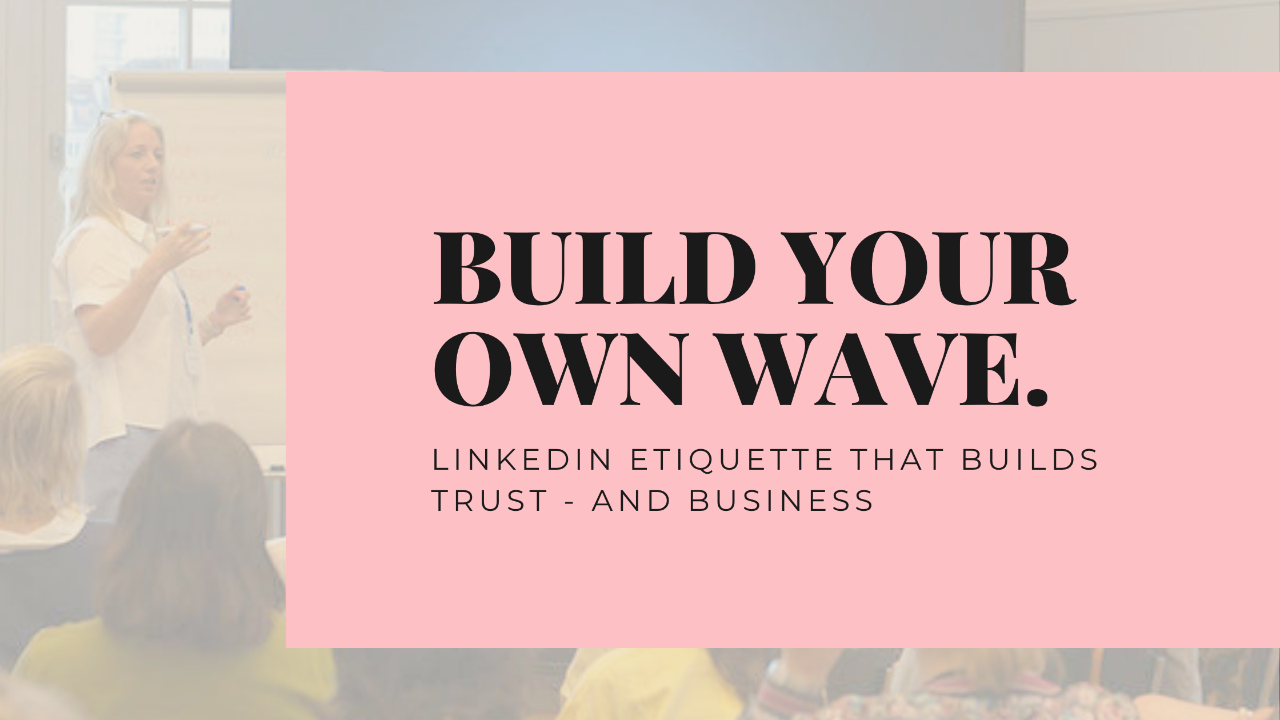
You can win clients in someone else’s LinkedIn comment section. I have.
You can also ask people in your network for introductions, explore partnerships and support each other’s businesses. That’s part of what makes LinkedIn such a useful place to spend your time.
But how you go about it makes a difference.
And sometimes, in our enthusiasm to get our business in front of more people, we forget that there’s another person on the receiving end. Someone who has spent years building the relationships we’d quite like access to.
A recent message reminded me of that.
Someone I’d met through my network reached out to tell me about a person who was helping them build their business.
They thought some of my former corporate colleagues might benefit from his work and wondered whether I could make introductions.
I could see the good intention. When someone helps you, it’s natural to want to support them.
The difficulty was that I hadn’t worked with this person myself. I didn’t know enough about his approach to recommend him. And the work being described overlapped with what I do, as well as what several people I already know and trust do.
It left me thinking about what we’re actually asking when we say, "Do you know anyone who could benefit from this?"
A referral carries your reputation with it
From the outside, an introduction can look like a small favor. Send a message, connect two people, and you’re done.
But if I recommend someone to a former colleague, there’s an implied endorsement. That colleague knows me. We may have worked together for years. My recommendation carries weight because of that history.
So before I make it, I need a reason to believe that this person can help.
That reason might be my own experience of their work. It might be seeing how they support clients over time, or knowing enough about their expertise and approach to feel comfortable introducing them.
A friendly message and a website link don’t give me that confidence on their own.
And yes, I recommend other people who do similar work to me. We all have different strengths, and sometimes someone else is a better fit. But I still need to understand why I’m making that recommendation.
If you’re asking someone to open their network to you, give them the opportunity to get to know your work first. A conversation about who you help and how you help them is a much more useful starting point than asking for access to their contacts.
Reciprocity without keeping score
You’ve heard the expression: "You scratch my back, and I’ll scratch yours."
That’s reciprocity.
We support each other, share opportunities and contribute to each other’s success.
I don’t think every kind gesture needs to come with something in return. I’m certainly not counting comments or keeping a spreadsheet of who owes me a favor.
Some of the best business relationships grow because people are generous without calculating what they’ll get back.
But generosity feels different when it’s expected of you.
When someone gets in touch mainly because they want access to your audience or network, there hasn’t necessarily been an opportunity to build the relationship that would make that request feel natural.
There are plenty of ways to contribute.
- Add a thoughtful comment.
- Make a relevant introduction yourself.
- Take an interest in what they’re building.
- Share someone’s work because it helped you.
And if you’re proposing a commercial partnership, explain it clearly. Affiliate arrangements and referral fees can create a mutual benefit, provided both people want the arrangement and feel confident about what they’re recommending.
Even then, a commission doesn’t replace trust. I still want to know that the person I’m referring will be looked after.
Someone else’s comment section is a conversation
The same consideration applies to how we show up under other people’s posts.
Someone has put time and thought into creating something for their audience. The conversation is developing, and then another person arrives with an invitation to their own program or a link to their services.
I’ll be honest: to me, pitching yourself in someone else’s comment section feels a bit like peeing in their garden. You may have found a convenient spot, but they didn’t invite you to use it that way.
There’s an easy exception. If the author asks people to share their offers, resources or links, go ahead. You’ve been invited.
Otherwise, contribute to the conversation they started.
You can share an experience that adds something useful. Explain how you’ve approached the problem they’re discussing. Answer a question when you have something relevant to offer. You can even disagree respectfully and give people another perspective.
There’s room to demonstrate your expertise. That’s often what makes a comment valuable.
I’ve won clients by showing up in other people’s comment sections, being supportive and sharing useful insights. People had a chance to see how I think and what I know. That gave them a reason to find out more about me.
You don’t have to squeeze a sales pitch into the conversation for that to happen.
Build your own wave
I understand the temptation to get in front of an audience someone else has already built. Especially when you’re putting yourself out there and it feels as though hardly anyone is listening.
Building visibility takes effort. You need to keep showing up, find something useful to say and give people time to get to know you.
But those relationships are worth building for yourself.
Publish your ideas. Talk about the problems you help people solve. Make your offers on your own profile and in your own emails. Be clear about how people can work with you, and support others who are doing the same.
Build your own wave, and help other people build theirs.
Over time, you give people more reasons to remember you, trust you and recommend you. You also build an audience that wants to hear from you, which matters if you want a business that gives you more freedom.
So yes, ask for introductions. Suggest collaborations. Sell your services proudly.
Just give people a reason to feel good about opening that door.
Ready to build a business that gives you more options - not less?
There’s no single right way to build a freedom-based business.
And depending on where you are right now, your next step might look very different from someone else’s.
That’s why I’ve created a few different ways to take your next step, or work with me - whether you’re figuring out what comes next, ready to grow, or looking for more hands-on support.
Take a look, see what feels right, and pick your path.